 RV Roadie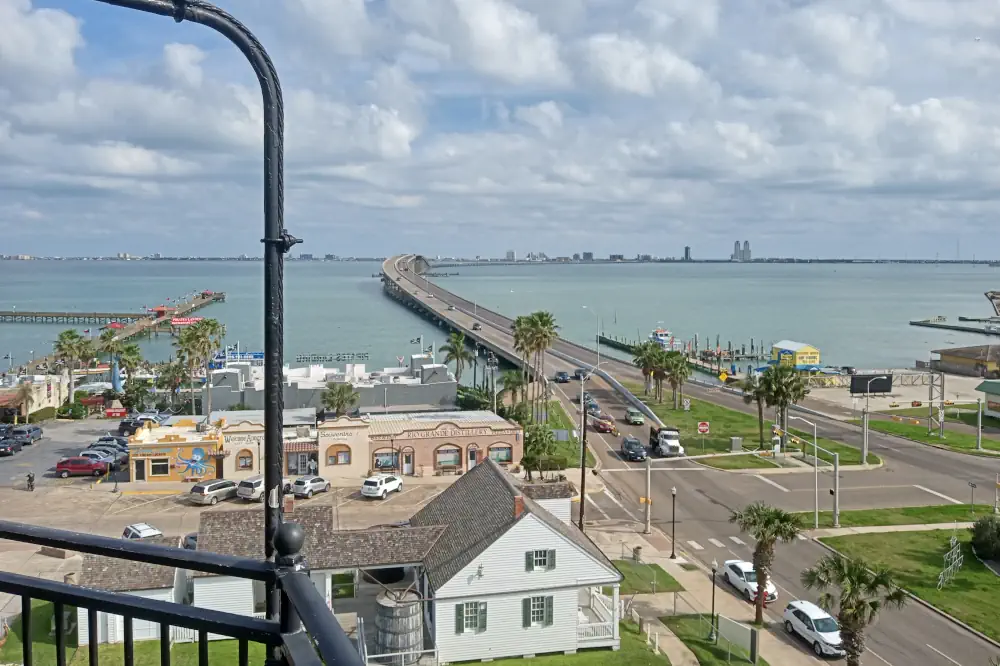
Everybody wants to stay on South Padre Island. We get it — the beach is right there, the water is warm, and there’s something about falling asleep to the Gulf that’s hard to argue with. But after three years of doing this exact trip, Bob and I can tell you the RVers who’ve figured it out don’t stay on the island at all. They stay in Port Isabel, the little town right before the bridge, and they cross over whenever they feel like it.
That’s what we did. Port Isabel Park Center was our home base for three winters, and it turned out to be one of the smartest calls we made on the whole Gulf Coast. Here’s the honest rundown of why staying in Port Isabel beats staying on the island — starting with a fact nobody planning this trip seems to know.
The Island Barely Has RV Parks (Really)
Here’s the surprise that catches most people off guard: South Padre Island isn’t the RV paradise you’re picturing. When it comes to actual RV parks on the island, your options are thin. There’s a KOA over on the bay side, an oceanfront park down at the south end that’s beautiful but fills up and prices like it, and a smaller park with just a handful of dry sites that aren’t on the water at all. That’s more or less it.
So the picture in your head — rolling onto the island and having your pick of waterfront sites — doesn’t really match the reality. Once you see how few real options there are out there, staying just across the bridge stops feeling like a compromise and starts feeling like the obvious move.
Where Port Isabel Sits (And Why That Bridge Is the Whole Point)
Port Isabel is the last town you hit before the Queen Isabella Causeway carries you across the bay to South Padre Island. The bridge is about two and a half miles long, and from the RV park to the island it’s roughly a ten-minute drive. That’s it. Ten minutes.
So when people ask us “where should I stay to visit South Padre Island,” this is the answer nobody selling you a beachfront site wants to give: you don’t have to stay on the island to enjoy the island. You just have to be close to the bridge. Port Isabel is as close as you can get, and it comes with something the island can’t offer.
What Makes Port Isabel Special: You’re On the Water
This is the part that made us stay three winters. Port Isabel puts you back in the channels, partially on the water, where the big shrimp boats run in and out — and those boats are really something to see. I still remember pulling in for the first time: the shrimp boats sitting right there on the left, the office on the right, seagulls wheeling overhead. It was a picture-perfect postcard, the kind of working-waterfront scene you don’t get parked inland. If you love the water the way we do, that view is worth as much as being steps from the sand.
We stayed at Port Isabel Park Center, and I’ll give you the real picture rather than the brochure. It’s a big park — over two hundred full-hookup sites — and some of them sit right on the water channels. Those waterfront sites cost a bit more, and here’s my honest friend-to-friend tip: if being on the water is the whole reason you’re coming, they’re worth it. Being able to walk out your door to the channel is a different kind of stay.
For us, the fishing sealed it. We could walk right down to the docks — and there are a lot of them — with fish cleaning stations right there, and fish to our heart’s content. There’s a boat launch and kayak ramp right in the park, a lighted fishing pier, and boat dock rentals if you’re bringing something bigger. That’s not a bonus amenity for people like us. That’s the whole point of the trip.
Beyond the water, the place is genuinely loaded for a winter stay. There’s a heated pool and hot tub, a rec hall with pool tables, a workout room, a basketball and pickleball court, and a dog park for the rescue crew. There’s a laundromat, showers, a dump station, car rinse and boat flush, three secure gates, an on-site manager, and organized activities all winter that keep the community feeling like a community. Paved streets, security lighting, mail service — the everyday stuff is all handled.
Here are the highlights that mattered most to us:
- On-the-water sites along the channels (worth the extra cost)
- Boat & kayak ramps right in the park
- Lighted fishing pier and plenty of docks with fish cleaning stations
- Boat dock rentals if you’re bringing something bigger
- Heated pool & hot tub
- Rec hall with organized winter activities and potlucks
- Dog park for the four-legged crew
- Over 200 full-hookup sites with 50-amp service
That’s just what stood out to us — there’s more on offer, and their website has the full list if you want to see everything before you book.
The Honest Downsides (And Why They Didn’t Chase Us Off)
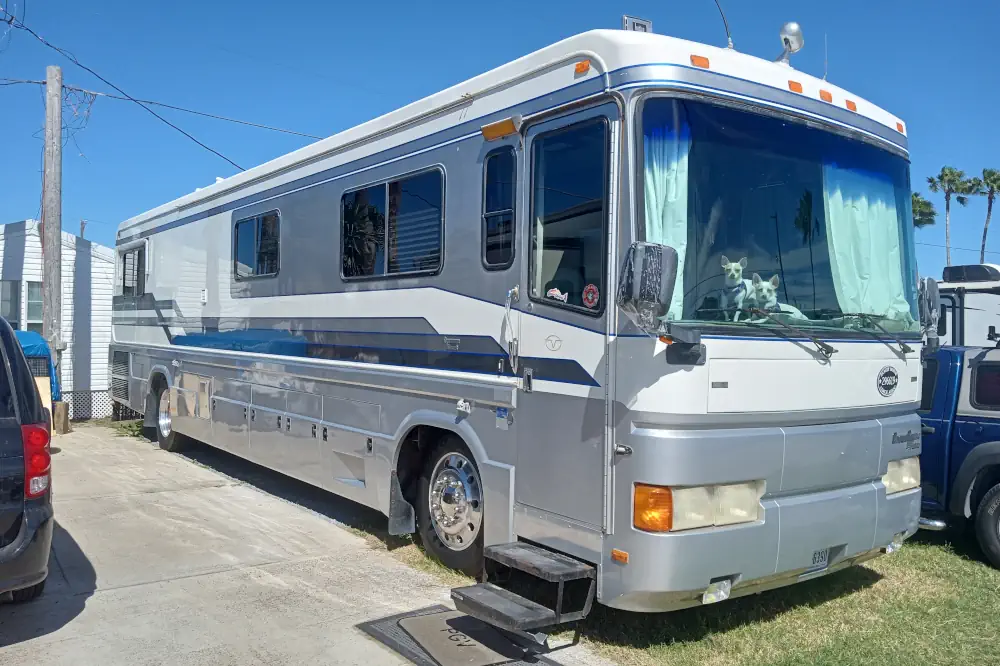
I’d tell a friend the same thing I’ll tell you: the sites are tight. Close together, and I mean close — there’s barely enough room to park your vehicle alongside your rig, and don’t expect a picnic table at your site. You’ll hear your neighbors. If you’re picturing a quiet campground tucked into the woods with fifty feet of trees between you and the next camper, this isn’t that, and you’ll be disappointed. It’s more like a big paved park packed into a busy area.
But here’s the thing — that closeness is also exactly why it worked. We got to know our neighbors because we couldn’t help it, and it turned into some of the friendliest company we’ve had anywhere. There were golf cart parades at Halloween and Christmas, potlucks all winter, people looking out for each other. It’s a community that actually comes together, and being elbow-to-elbow is part of what makes that happen. We came for the water and stayed, in no small part, for the people.
And know what you’re signing up for on the island side too: South Padre is an active, lively place with real nightlife. This whole area is busy and social, not sleepy. If you want remote and quiet, this stretch of coast — island or mainland — isn’t it. If you want warm weather, good fishing, and people to share it with, it’s hard to beat.
Here’s something the spring-break reputation doesn’t tell you, though: in the winter months, the island leans hard toward our generation. Most of the live music happens during the day or early evening, and it’s the kind of music we grew up on — not a thumping club scene, just good tunes at a reasonable hour. A lot of the crowd down here is folks like us who come south for the winter — and here’s a little something we learned once we got to Texas: down here, we are not called snowbirds. Snowbirds go to Florida. In Texas, we’re “Winter Texans,” and you’ll see it on signs and hear it everywhere once you know to listen for it.
The bars know their audience, too. Many of them stock what we drink up north, and it’s not unusual to walk in and find the Packers or the Vikings up on the TV. For a couple wintering away from home, that little touch of the Upper Midwest goes a long way.
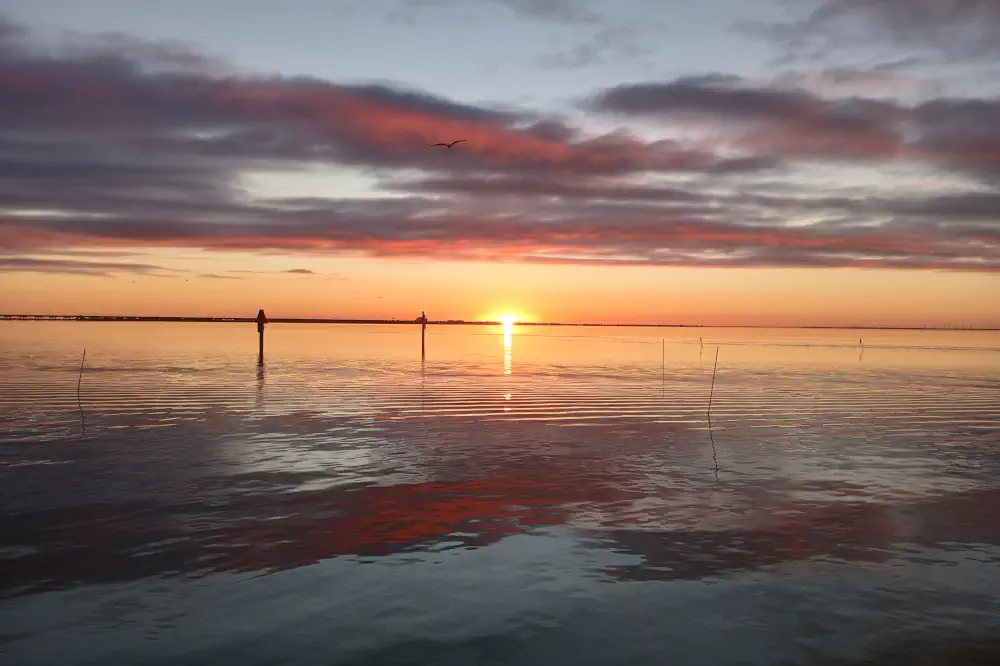
Here’s something worth knowing about how the island is laid out, too. It’s a long, skinny barrier island with two very different sides, and once you get it, you’ll know exactly where to point yourself. The bay side — the Laguna Madre side, facing back toward Port Isabel — is packed with restaurants and bars, and it’s where the sunsets happen. Those calm, glowing evenings over the water we can’t get enough of are all on the bay side. The other side is the Gulf side, oceanfront, where the big hotels stack up along the beach, with plenty to eat and drink over there too — just with the sound of the waves instead of a bay sunset. Neither is better; they’re just different moods, and it’s nice to be able to pick depending on the night.
The Part Nobody Talks About: What You Save
On top of all that, staying off the island runs you noticeably less than an oceanfront site, and over a full winter season those savings pile up fast. We’re not talking about a few dollars — we’re talking about the difference between a stay that pinches and one that’s comfortable, spread across months.
And you give up almost nothing for it. You’re not “far from the beach.” You’re ten minutes from the beach, on the water, next to the docks. You wake up, drink your coffee, decide if it’s an island day, and drive over the bridge if it is. For Winter Texans and full-timers especially, that trade isn’t close.
What Else Is Worth Doing in Port Isabel
I won’t oversell the town — most of our island time was spent, well, on the island — but there are a few real reasons to slow down on the Port Isabel side.
The Port Isabel Lighthouse is the one that anchors the town, a restored 1850s lighthouse right in the middle of things with a wide view over the bay and the island if you climb it. And here’s the one that surprised us: some of the best seafood in the whole area isn’t on the island — it’s right here in town. When we finally dug past the tourist spots and found the places serving fresh-caught Gulf fish instead of fish trucked in from who-knows-where, our two favorites turned out to be in Port Isabel, which is exactly why they sit at the top of our guide to the best seafood restaurants around South Padre Island. Staying here put us minutes from the good stuff, not the touristy stuff.
So — Should You Base in Port Isabel?
If you want to roll out of bed and step directly onto the sand, and you don’t mind paying for it — and getting one of the island’s few RV sites before someone else does — stay on the island. No argument.
But if you’re staying more than a couple of nights, and especially if you’re wintering down here like we did, Port Isabel is the smarter base by a wide margin. You get the island whenever you want it, you’re actually on the water with the shrimp boats and the docks and the fishing right outside your rig, you’ve got every amenity a long winter stay needs, and you keep a meaningful chunk of money that would’ve gone to a beachfront address you’d mostly be sleeping at anyway. Three winters in, we’d do it exactly the same way.
Planning Your Own Stay Near South Padre Island
If you’re mapping out a winter down here or just a longer visit, do yourself a favor and look at Port Isabel before you lock in an island site. Base yourself on the water, cross the bridge whenever the beach is calling, and you get the best of both — the island’s energy when you want it and a quiet spot on the channel to come home to.
Frequently Asked Questions
Where should I stay to visit South Padre Island in an RV?
Port Isabel, the town right before the causeway, is our pick. It’s about a ten-minute drive to the island but sits on the bay channels where you’re actually on the water. The island itself has very few RV parks, so staying just across the bridge usually gets you a better site for less money.
How far is Port Isabel from South Padre Island?
It’s a short hop — roughly ten minutes across the Queen Isabella Causeway, which runs about two and a half miles over the bay. You can be parked on the beach within fifteen minutes of leaving your site.
Are there RV parks on South Padre Island itself?
Not many. Your realistic options are a KOA on the bay side, an oceanfront park at the south end that fills up and prices accordingly, and a smaller park with just a handful of sites that aren’t on the water. Because there’s so little on the island, staying in Port Isabel is often the more practical choice.
Is Port Isabel Park Center good for fishing?
Very much so — it’s why we kept coming back. There are docks with fish cleaning stations you can walk right down to, a lighted fishing pier, a boat and kayak ramp in the park, and boat dock rentals if you’re bringing something bigger. You’re right on the channels where the shrimp boats run in and out.
What’s the downside of staying in Port Isabel?
The sites are tight — close together, barely room to park your vehicle alongside your rig, and no picnic tables. You’ll hear your neighbors. It’s a busy, paved park, not a quiet woodsy campground. For us the friendly community more than made up for it, but if you want seclusion, this stretch of coast isn’t the place.
Is it cheaper to stay in Port Isabel than on the island?
Yes. Staying off the island runs noticeably less than an oceanfront site, and over a full winter season those savings add up in a real way — all while keeping you just minutes from the beach.